THE BEST COOKING OILS FOR SHRIMP DISHES

A Healthy Approach

When it comes to cooking shrimp, the choice of oil can make all the difference. Not only do different oils enhance the flavors of your dishes, but they also bring their unique health benefits to the table. Let’s dive into some of the best cooking oils for shrimp dishes, ensuring you whip up delicious meals that are good for you and your loved ones.

Olive Oil: The Heart-Healthy Favorite

First up, we have the classic olive oil. This golden elixir is a staple in kitchens worldwide for a reason. It’s rich in monounsaturated fats, which can help reduce bad cholesterol levels, promoting heart health. When you sauté shrimp in olive oil, you’ll get a lovely, light flavor that compliments the natural sweetness of the seafood.

For shrimp dishes, especially those inspired by Mediterranean cuisine, using extra virgin olive oil can elevate your meal. Drizzle some over grilled shrimp or toss it in a pasta dish, and you’ll taste the difference! Plus, olive oil is packed with antioxidants, making it a smart choice for those who want to eat healthy while enjoying delicious meals.

Coconut Oil: A Tropical Twist

If you’re looking for something a little different, coconut oil might be your new best friend. This oil has a distinct tropical flavor that works wonderfully with shrimp, especially in Asian-inspired recipes. Whether you’re making a coconut shrimp curry or a stir-fry, coconut oil brings a creamy richness that enhances the overall dish.

Coconut oil is also known for its medium-chain fatty acids, which can boost energy and support metabolism. Just remember, it has a higher saturated fat content than other oils, so it’s best to use it in moderation. A little goes a long way in adding flavor to your shrimp dishes!

Avocado Oil: The Versatile Powerhouse

Another fantastic option is avocado oil. This oil has a mild, buttery flavor and a high smoke point, making it great for high-heat cooking methods like frying or grilling. When you sauté shrimp in avocado oil, you not only enjoy a wonderful taste but also benefit from its heart-healthy fats and antioxidants.

What’s more, avocado oil is rich in vitamins E and K, which can help keep your skin glowing and your immune system strong. It’s versatile enough to use in salads or marinades, giving your shrimp a delightful kick!

Grapeseed Oil: A Light Touch

For those who prefer a neutral flavor, grapeseed oil is an excellent choice. This oil is light and has a high smoke point, making it perfect for frying shrimp to perfection without overwhelming their natural taste. It’s particularly great in recipes where you want the shrimp to shine, like a simple garlic shrimp dish.

Grapeseed oil is also rich in polyunsaturated fats and vitamin E, which can support heart health and skin vitality. If you want a cooking oil that won’t alter the flavor of your dish, grapeseed oil is definitely worth considering.

Sesame Oil: A Nutty Delight

Finally, let’s not forget sesame oil, especially if you’re whipping up an Asian-inspired shrimp dish. With its rich, nutty flavor, sesame oil can transform a simple stir-fry into something extraordinary. It’s often used in marinades and dressings, adding depth to your shrimp dishes.

While sesame oil is high in healthy fats, it’s best used sparingly due to its strong flavor. Just a splash can elevate your meal and bring a delightful aroma to your kitchen.

Choose Wisely for Healthier Shrimp Dishes

Cooking oils play a significant role in our meals, not just in flavor but in health benefits, too. Whether you choose olive oil for its heart-healthy properties, coconut oil for a tropical twist, avocado oil for versatility, grapeseed oil for a light touch, or sesame oil for its nutty flavor, each option has something special to offer.

Next time you’re preparing a shrimp dish, consider the oil you’re using. It can truly make your meal healthier and more enjoyable. So, gather your ingredients, pick your oil, and get ready to create some amazing shrimp dishes that will delight your taste buds and nourish your body!
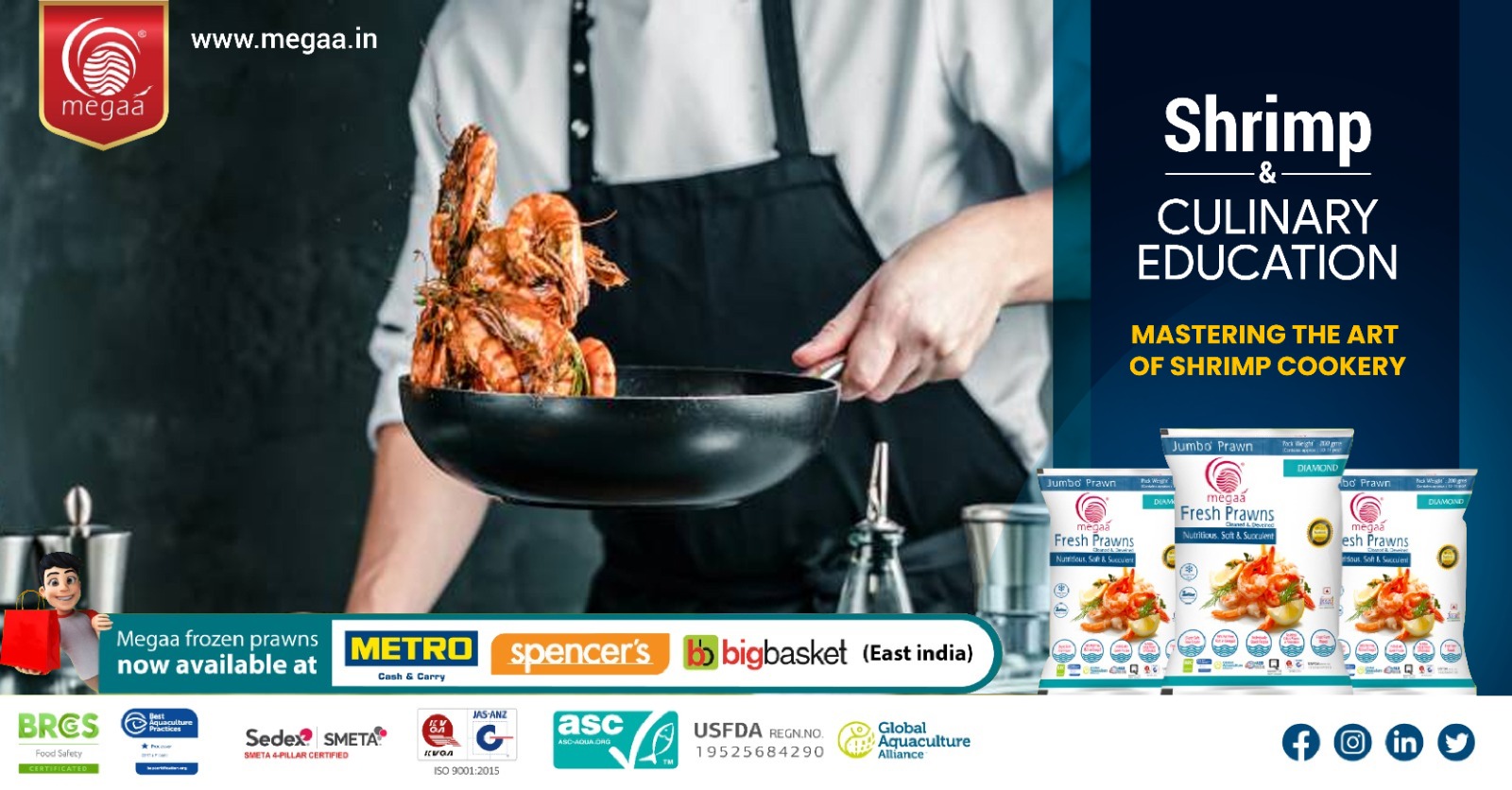
SHRIMP AND CULINARY EDUCATION

Mastering the Art of Shrimp Cookery

Shrimp, one of the ocean’s most versatile and beloved delicacies, offers endless culinary possibilities. From grilling and sautéing to steaming and deep-frying, mastering shrimp cookery is a valuable skill for any chef. Culinary education plays a crucial role in teaching aspiring chefs the techniques, flavours, and nuances of cooking with shrimp, ensuring they can create dishes that delight and impress. This blog explores the importance of shrimp in culinary education and provides insights into mastering this art.

The Importance of Shrimp in Culinary Arts

Nutritional Benefits

Shrimp is not only delicious but also packed with nutrients. It is a rich source of protein, low in calories, and contains essential vitamins and minerals such as vitamin B12, iodine, and selenium. Its nutritional profile makes it a popular choice for health-conscious consumers and an essential ingredient in diverse culinary traditions.

Culinary Versatility

Shrimp’s mild flavour and firm texture make it an ideal ingredient for a variety of cooking methods and flavour profiles. It can be incorporated into appetizers, salads, soups, main courses, and even desserts. This versatility makes shrimp an indispensable part of culinary education, providing students with numerous opportunities to experiment and hone their skills.

Techniques for Cooking Shrimp

Grilling

Grilling shrimp is a popular method that imparts a smoky flavour and creates a beautiful char. To grill shrimp, it’s essential to marinate them beforehand to enhance their flavour and prevent them from drying out. Use skewers to make flipping easier and ensure even cooking. Cook over medium-high heat for 2-3 minutes per side until they turn pink and opaque.

Sautéing

Sautéing is a quick and easy way to cook shrimp, perfect for busy kitchens. Heat oil or butter in a pan over medium-high heat, add the shrimp and cook for 2-3 minutes on each side. Sautéed shrimp can be used in pasta dishes, and tacos, or served with a simple garlic and lemon sauce.

Steaming

Steaming preserves shrimp’s delicate flavour and texture. Use a steamer basket over boiling water, season the shrimp with herbs and spices, and steam for 3-5 minutes until they turn pink. Steamed shrimp is ideal for salads, dumplings, or as a healthy appetizer with dipping sauces.

Deep-Frying

Deep-fried shrimp, such as tempura or coconut shrimp, offers a crispy exterior and juicy interior. Coat the shrimp in batter or breadcrumbs and fry at 350°F (175°C) for 2-3 minutes until golden brown. Deep-fried shrimp is a crowd-pleaser, often served with dipping sauces like aioli, cocktail sauce, or sweet chilli sauce.

Flavor Pairings and Recipes

Classic Combinations

Certain flavours naturally complement shrimp, enhancing its taste without overpowering it. Garlic, lemon, and butter are classic pairings that bring out shrimp’s sweetness. Herbs like parsley, cilantro, and basil add freshness, while spices like paprika, cayenne, and Old Bay seasoning provide a kick.

Innovative Dishes

Encouraging culinary students to experiment with shrimp can lead to innovative dishes. Examples include shrimp ceviche with tropical fruits, shrimp and grits with a modern twist, or Asian-inspired shrimp stir-fry with exotic vegetables and sauces. The possibilities are endless, allowing chefs to showcase their creativity and culinary prowess.

The Role of Culinary Schools

Hands-On Training

Culinary schools provide hands-on training, allowing students to practice various cooking techniques under the guidance of experienced chefs. They learn to select, prepare, and cook shrimp, gaining confidence and proficiency through repetition and feedback.

Understanding Sustainability

Modern culinary education emphasizes the importance of sustainability. Students are taught to source shrimp responsibly, considering factors like wild-caught versus farm-raised shrimp and the environmental impact of different fishing methods. This knowledge is crucial for creating dishes that are not only delicious but also environmentally friendly.

Cultural Appreciation

Shrimp features prominently in many global cuisines, from Cajun and Creole dishes in the southern United States to Japanese tempura and Thai curries. Culinary education exposes students to these diverse traditions, teaching them to respect and incorporate cultural elements into their cooking.

Mastering the art of shrimp cookery is an essential skill for any aspiring chef. Through comprehensive culinary education, students learn the techniques, flavour pairings, and cultural significance of shrimp, enabling them to create exceptional dishes. Whether grilling, sautéing, steaming, or deep-frying, understanding how to cook shrimp to perfection is a valuable asset in the culinary world. By emphasizing sustainability and cultural appreciation, culinary schools ensure that future chefs are well-equipped to meet the demands of modern, conscious consumers.

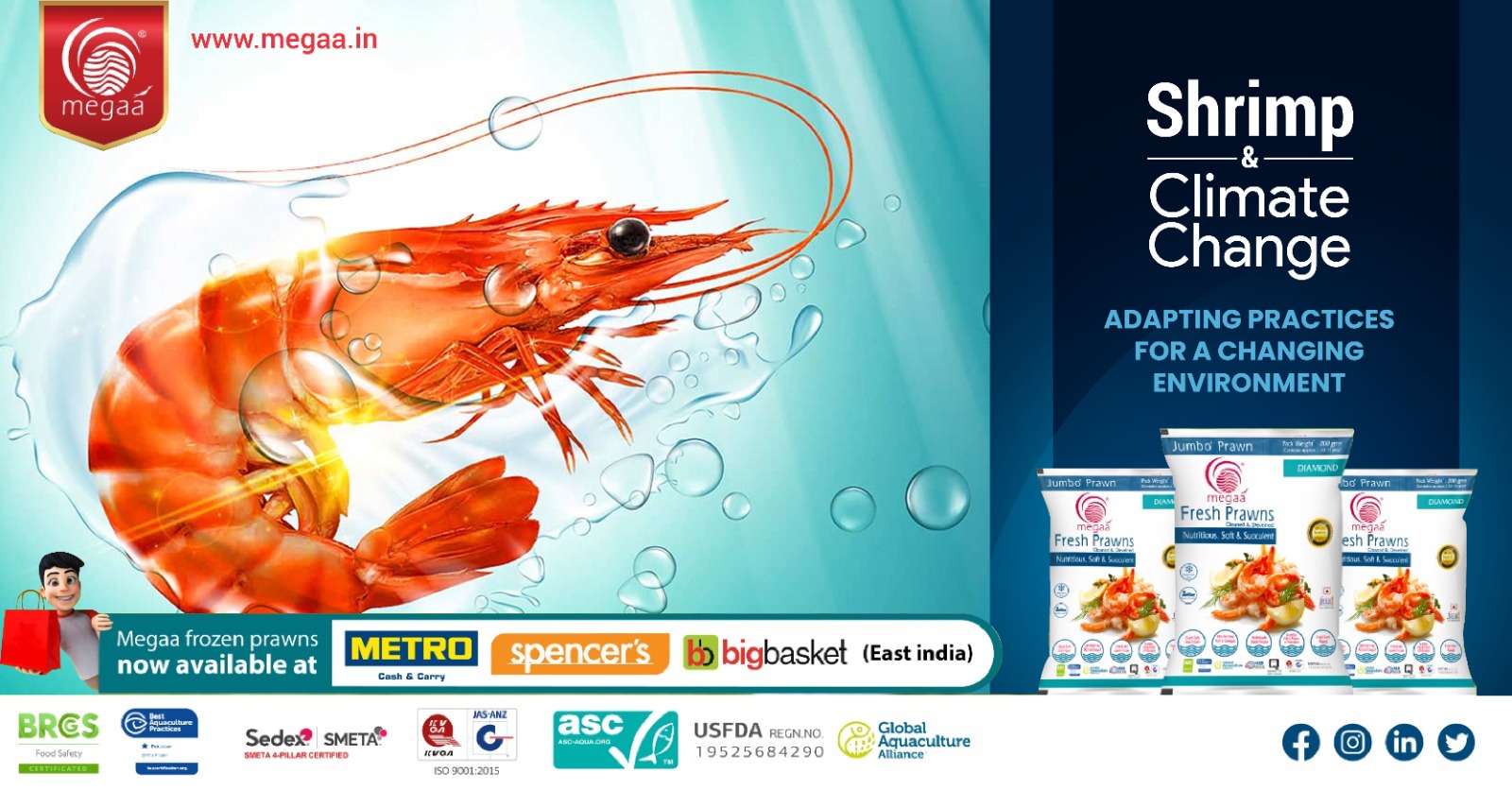
SHRIMP AND CLIMATE CHANGE

Adapting Practices for a Changing Environment

As climate change continues to impact ecosystems globally, the shrimp industry faces significant challenges. Rising temperatures, ocean acidification, and changing weather patterns affect shrimp habitats and aquaculture operations. To ensure sustainability and resilience, the shrimp industry must adapt its practices to this evolving environmental landscape.

The Impact of Climate Change on Shrimp

Temperature Changes

Shrimp are highly sensitive to temperature fluctuations. Optimal growth occurs within specific temperature ranges, and deviations can lead to stress, disease, and mortality. Rising sea temperatures can disrupt breeding cycles and reduce survival rates. Additionally, extreme weather events, such as hurricanes and typhoons, can destroy habitats and aquaculture infrastructure, leading to significant economic losses.

Ocean Acidification

Increased CO2 levels result in ocean acidification, which affects the availability of calcium carbonate necessary for shrimp shell formation. Acidified waters weaken shrimp exoskeletons, making them more susceptible to disease and predation. This change also impacts the overall health of marine ecosystems, disrupting food webs and reducing biodiversity.

Habitat Degradation

Coastal ecosystems, including mangroves and estuaries, serve as crucial breeding and nursery grounds for shrimp. Climate change-induced sea-level rise and increased storm intensity threaten these habitats, leading to erosion, salinity intrusion, and habitat loss. These changes reduce the available area for shrimp farming and wild shrimp populations.

Adaptation Strategies

Sustainable Aquaculture Practices

Adopting sustainable aquaculture practices is essential for mitigating the impact of climate change. Integrating recirculating aquaculture systems (RAS) allows for better control of water temperature and quality, reducing vulnerability to external environmental changes. Additionally, polyculture systems, where shrimp are farmed alongside other species like fish or seaweed, can enhance resilience by diversifying income sources and improving ecosystem health.

Selective Breeding and Biotechnology

Selective breeding programs aim to develop shrimp strains that are more resilient to temperature fluctuations and disease. Advances in biotechnology, such as CRISPR gene editing, offer the potential for creating genetically modified shrimp with enhanced tolerance to environmental stressors. These innovations can help maintain stable production levels in changing conditions.

Habitat Restoration and Conservation

Protecting and restoring coastal habitats like mangroves and wetlands is crucial for supporting wild shrimp populations and providing natural buffers against storm surges and erosion. Conservation efforts, such as reforestation and the establishment of marine protected areas, can enhance ecosystem resilience and biodiversity, benefiting both shrimp and the broader environment.

Climate-Smart Policies and Management

Implementing climate-smart policies and management practices is essential for long-term sustainability. Governments and industry stakeholders must collaborate to develop regulations that promote environmental stewardship, such as reducing greenhouse gas emissions from aquaculture operations and investing in renewable energy sources. Monitoring and adaptive management strategies can ensure that practices remain effective as conditions change.

Adapting to climate change is imperative for the future of the shrimp industry. By adopting sustainable practices, leveraging biotechnology, restoring habitats, and implementing climate-smart policies, the shrimp sector can enhance its resilience and continue to thrive in a changing environment. Proactive measures today will safeguard the livelihoods of millions and ensure the availability of shrimp for future generations.

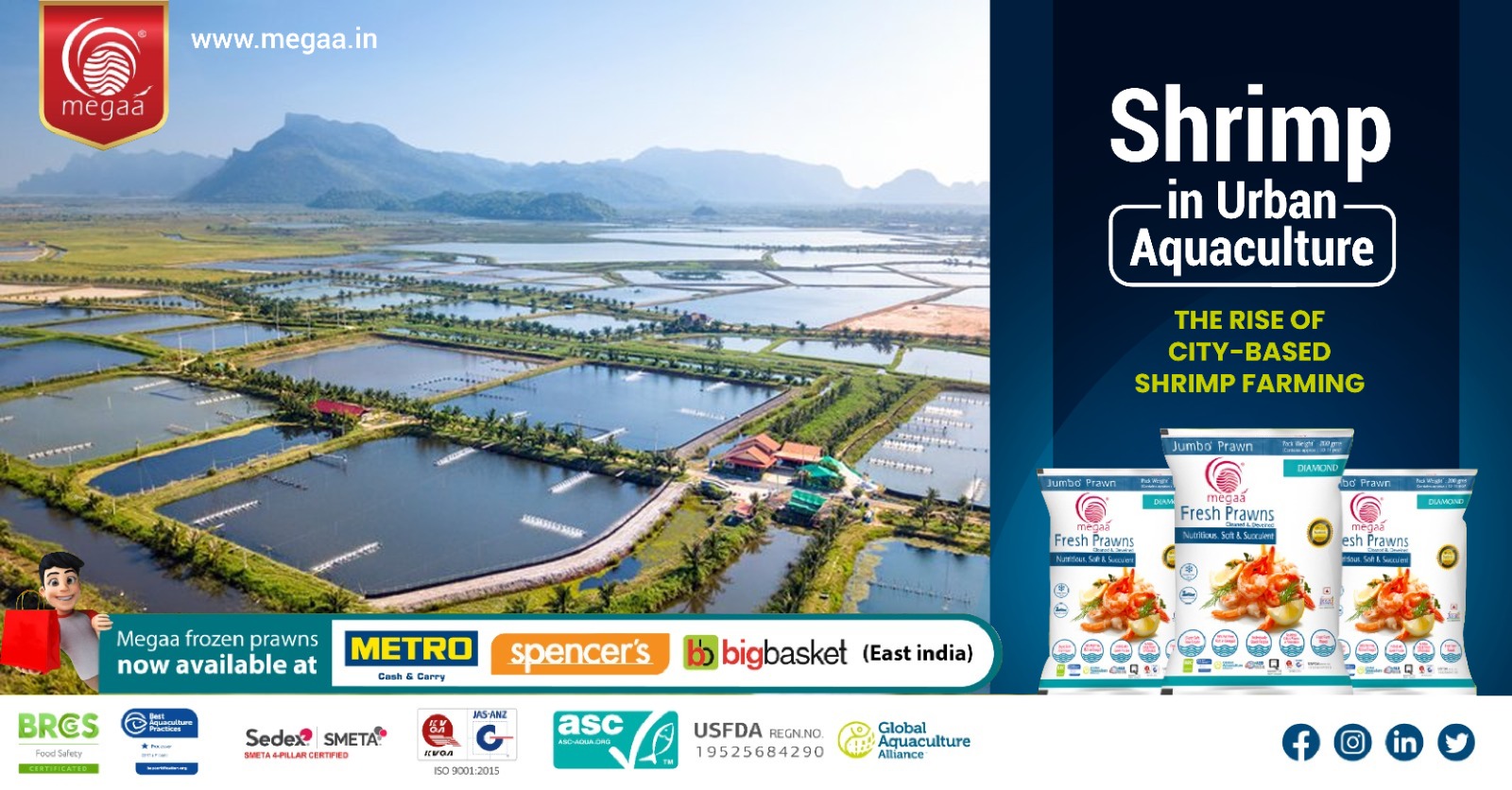
SHRIMP IN URBAN AQUACULTURE

The Rise of City-based Shrimp Farming

Urban aquaculture is emerging as a sustainable solution to meet the increasing global demand for seafood, and shrimp farming is at the forefront of this movement. As cities expand and resources become scarcer, innovative methods are being employed to ensure food security and reduce environmental impact. City-based shrimp farming is not just a trend; it is a significant shift in how we produce and consume seafood.

The Growth of Urban Aquaculture

Urban aquaculture refers to the practice of cultivating aquatic organisms within city environments. This method has gained traction due to its ability to utilize otherwise unused urban spaces, such as rooftops, basements, and vacant lots. The integration of aquaculture in cities can reduce the carbon footprint associated with transporting seafood from coastal areas to urban centres, thereby promoting local consumption and sustainability.

Why Shrimp?

Shrimp is one of the most popular seafood items globally, renowned for its taste and nutritional value. Traditionally, shrimp farming has been associated with coastal and rural areas. However, urban shrimp farming offers several advantages:

Reduced Transportation Costs: Producing shrimp closer to where it is consumed decreases transportation costs and carbon emissions.

Freshness: Urban farms can deliver fresher products to local markets, enhancing the consumer experience.

Controlled Environment: Urban shrimp farms can use advanced technology to control water quality, temperature, and feeding, leading to more efficient and sustainable production.

Innovative Farming Techniques

Urban shrimp farms often employ Recirculating Aquaculture Systems (RAS), which are highly efficient and sustainable. RAS technology allows for the recycling of water within the system, significantly reducing water usage compared to traditional methods. Additionally, these systems can be set up in various urban spaces, making them highly versatile.

Case Studies

Several successful urban shrimp farms highlight the potential of this industry:

New York City: A rooftop shrimp farm in Brooklyn uses RAS technology to produce high-quality shrimp year-round. This farm supplies local restaurants and markets, reducing the need for imported shrimp.

Singapore: Known for its innovative urban solutions, Singapore has integrated shrimp farming into its urban landscape, contributing to the nation’s food security goals.

Challenges and Future Prospects

While urban shrimp farming offers numerous benefits, it also faces challenges. High initial setup costs, the need for technical expertise, and regulatory hurdles can be significant barriers. However, with ongoing advancements in technology and increasing support from urban planning policies, these obstacles are gradually being overcome.

The future of urban shrimp farming looks promising. As technology continues to evolve and cities become more adept at integrating aquaculture into their infrastructure, the production of shrimp in urban environments is set to become a staple of sustainable food systems. Urban shrimp farming represents a dynamic intersection of technology, sustainability, and food production. By bringing shrimp farms into the heart of our cities, we can ensure a steady supply of fresh, locally produced seafood while minimizing environmental impact. As urban aquaculture continues to grow, city-based shrimp farming will play a crucial role in feeding the future’s urban populations.

Make Merry with the Flavoursome Maryland-Style Grilled Shrimp with Old Bay

Processor & Exporter of Seafood in India

Simple and delicious is the definition that goes with this coastal dish of seafood from Maryland. This dish requires significantly less time, saving your precious time but not without a savory twist. The tangy twist that the Old Bay seasoning presents makes this seafood dish different from the other preparations shrimp or prawn. The old bay spice mix is a regional favorite along the coastal lines of Maryland and Virginia. If you belong to these and lands, then a quick meal will satisfy your existential taste buds. If you are from other parts of the world, simply try this dish. Gorge on the exquisites of a faraway land that tastes seas and all the goodness of sunshine.

Preparation time– total 15 mins

Cooking time – 3 to 4 mins

Serves – for 4 to 6 adults

Know your ingredients

Ingredients to prepare the Maryland shrimp dish:

  • Old Bay seasoning – 2 tbsp and more if required.
  • Shrimp (or prawn) – 1 lb large, cleaned, peeled, and deveined.
  • Olive oil – 3 tablespoons
  • Garlic – 3 cloves, minced
  • Chili powder – 2 teaspoons
  • Worcestershire sauce – 4 teaspoons
  • Lemon juice – 1 tablespoon
  • Salt – as per taste
  • Black pepper – freshly ground and as per taste

Know the Preparation Process:

  • Take a large bowl and place the shrimps (or prawns, if you like) in it.
  • Add all the ingredients to the bowl, including Old Bay, olive oil, garlic, chili powder, Worcestershire sauce, and lemon juice.
  • Season it with salt and freshly ground pepper. Do the seasoning generously so that each shrimp gets its fair share of soaking up in the seasoning. That way, each individual shrimp will taste at its best.
  • Toss the whole mixture well to ensure that the shrimps absorb the oil and spices.
  • Let it sit for 15 minutes or longer if you want them for better marinating. In that case, put the mixture in a covered container and put it aside in a refrigerator for 2 hours.
  • Prepare your grill. You can use gas or charcoal according to your convenience. Set it on medium-high heat to cook the shrimps in controlled heat.
  • Now that your grill is ready, take out the shrimps and put them on skewers. Place the skewers with the shrimps on the grill and let them cook for few minutes. Do not keep them for a more extended period on the grill as they cook very quickly.
  • As soon as they start curling up and start turning pink, flip them and cook for a minute longer. The total cooking must not be more than 3 to 4 minutes.
  • Serve hot, maybe with grilled bread or other grilled dishes like steak if you desire. Or, just eat them without the intervention of other dishes and enjoy them at their best.

Get your shrimp or prawn from the best Processor & Exporter of Seafood in India or the nearest to enjoy the maximum seafood goodness.

Design a site like this with WordPress.com
Get started