

Tips for the Best Purchase
Hello, seafood lovers! Whether you’re a culinary whiz or just getting your toes wet in the kitchen, choosing fresh shrimp is a skill worth mastering. After all, who wants to serve rubbery, funky shrimp to their guests (or even worse, themselves)? No worries! We’ve got you covered with some easy-to-follow tips to ensure you always bring home the freshest catch.
1. Sniff Test: Follow Your Nose
Ah, the smell of the sea—crisp, clean, and a tad salty. Fresh shrimp should transport you straight to the ocean. When shopping for shrimp, take a moment to give them a good sniff. If they smell like ammonia or have any off-putting odour, back away slowly and find a different seafood counter. Fresh shrimp have a mild scent, reminiscent of the sea, not a chemistry lab gone wrong.
2. Shell Shock: Inspect the Shells
The shrimp’s shell is like its armour, protecting all that deliciousness inside. Look for shells that are firm, glossy, and mostly intact. If the shells are dull, brittle, or have black spots, it’s a sign that the shrimp might not be as fresh as you’d like. Also, beware of any sliminess on the shell. Fresh shrimp should feel moist but not slimy.
3. Color Clues: Pretty in Pink
The colour of the shrimp is another telltale sign of freshness. Depending on the species, fresh shrimp can be greyish-white, pinkish, or even slightly bluish when raw. However, avoid shrimp that have yellowing shells or any discolouration. This might indicate they’ve been sitting around for a while, which is definitely not what you want on your dinner plate.
4. Head Over Tails: Whole Shrimp Wonders
If you can find whole shrimp (head-on, shell-on), grab them! The heads and shells protect the delicate meat and often give you more clues about freshness. Check the eyes—they should be shiny and plump, not sunken or dried out. A fresh shrimp’s head will be firmly attached to its body. If the heads are falling off, it’s time to find a better batch.
5. Texture Talk: Firm and Fabulous
When you gently press the shrimp, the flesh should feel firm and springy. Mushy or overly soft shrimp are a no-go. Fresh shrimp have a slight resilience to them, bouncing back lightly when touched. If they feel like they’re melting under your fingers, it’s a sign to move on.
6. Frozen vs. Fresh: The Cold Truth
Here’s a little secret: sometimes frozen shrimp can be fresher than “fresh” shrimp. How so? Well, shrimp are often flash-frozen right after being caught, preserving their freshness. If you live far from the coast, the shrimp at the seafood counter might have been previously frozen and then thawed. In such cases, buying frozen shrimp and thawing them yourself might be the better option. Just ensure you thaw them properly by placing them in the fridge overnight or under cold running water.
7. Source of Success: Know Your Vendor
Finally, establish a good relationship with your seafood vendor. A trustworthy vendor will be happy to tell you where the shrimp came from and how fresh they are. Don’t be shy—ask questions! Your local fishmonger’s knowledge is a valuable resource.
So, there you have it, folks! With these tips, you’ll be the hero of your next shrimp feast, impressing friends and family with your keen eye for quality seafood. Happy shrimp shopping, and may your dishes always be as fresh as your newfound seafood savvy!




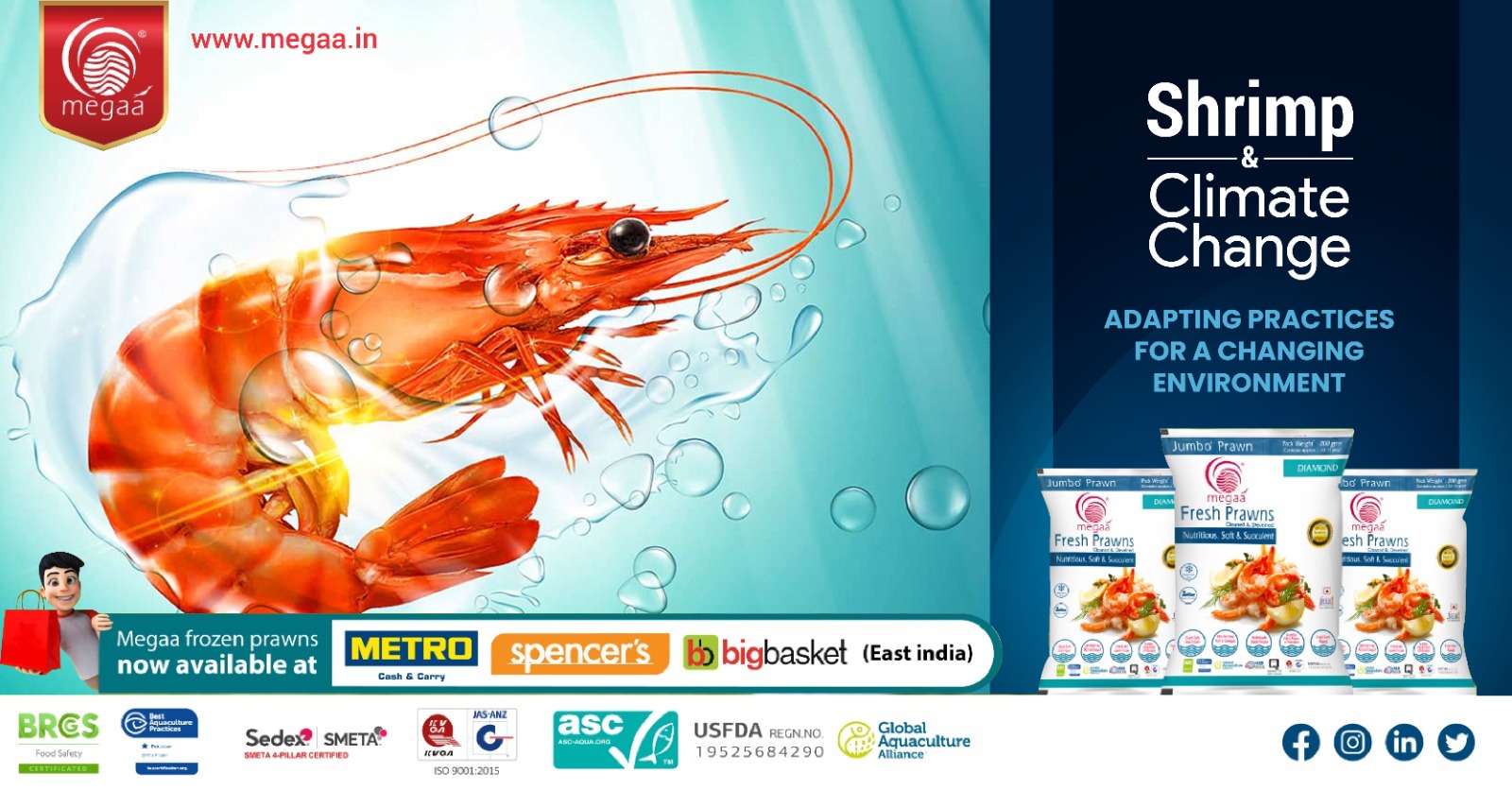


 Megaa Moda Pvt. Ltd.